
Shortly before two in the morning on May 27, 1991, fourteen-year-old Konerak Sinthasomphone reached a Milwaukee street after escaping from Jeffrey Dahmer’s apartment. He was naked and bleeding, with his ability to speak impaired by drugs. Sandra Smith and Nicole Childress found him and called for help. When Dahmer tried to take him back, the women objected and told police that the injured person in front of them was a child.
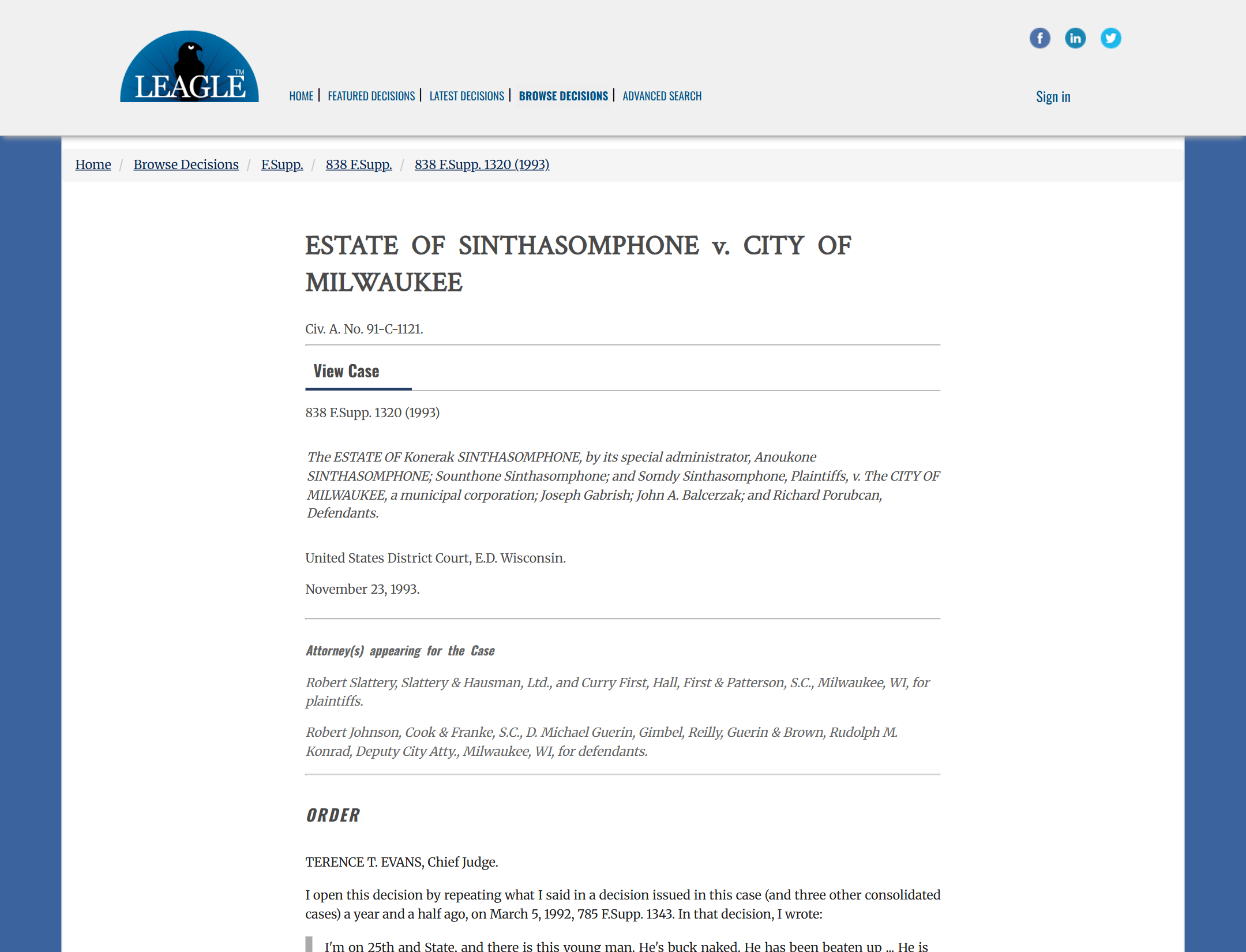
The officers accepted Dahmer’s claim that Konerak was an adult. They understood the scene as a domestic disagreement between two men and returned the boy to the apartment. Dahmer killed him after they left. The later federal case brought by Konerak’s family records that the officers had prevented other people from helping him. Because the court was reviewing a motion to dismiss, it treated the family’s account as true for that stage of the case while leaving contested facts for later proceedings. (Estate of Sinthasomphone v. City of Milwaukee)
The officers’ decision placed Konerak inside a familiar police category. If he was an adult homosexual man with his partner, the visible injuries and the witnesses’ concern could be set aside as part of a private dispute. Konerak was a drugged child under the control of the man who would kill him. The speed with which the officers accepted a different explanation belongs to a longer history in which a male victim could disappear behind assumptions about homosexuality and consent.
A crime defined around women
American rape law developed around a female victim and a male offender. For much of the twentieth century, the central offense was commonly defined as a man forcing vaginal intercourse on a woman who was not his wife. An assault on a man could be prosecuted under another name, including sodomy or indecent assault, if it was prosecuted at all. The available charge affected the penalty and the statistics kept by police. It also influenced whether the public recognized the event as rape.
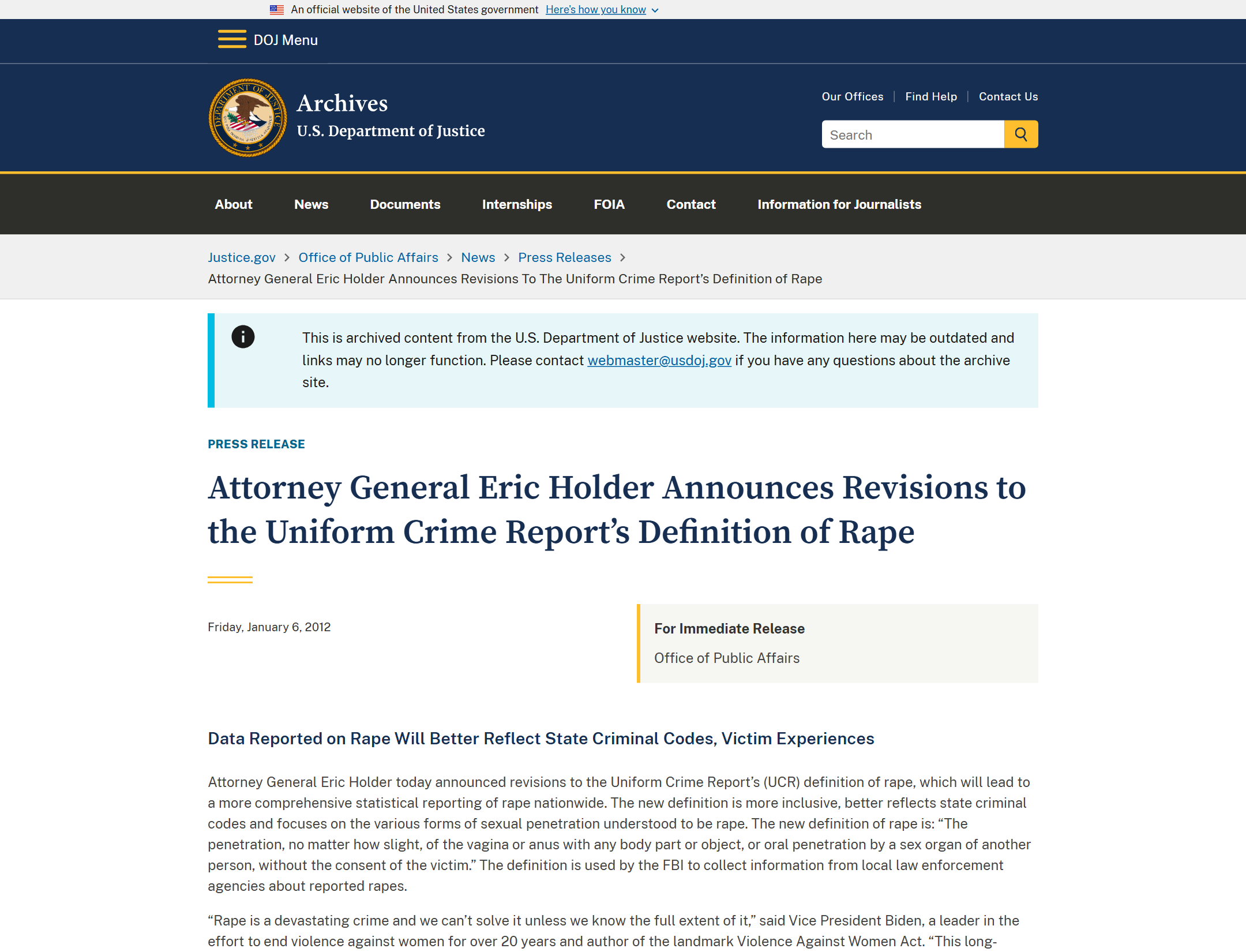
The Justice Department’s history of rape law describes reforms that gradually removed requirements concerning physical resistance and broadened the definition of the offense. States changed their statutes on different schedules. Federal crime statistics remained tied to a definition dating from 1927 that excluded male victims and many forms of penetration. The FBI adopted a broader definition in 2012, and national reporting under it began the following year. The new definition covered penetration of any person without consent. (Office for Victims of Crime; FBI)
Those legal changes came late enough that many men grew up without hearing their experience described as rape. Official paperwork and newspaper language followed the older definitions, as did public education. A victim might know that an assault had taken place while lacking a familiar word that would make other people recognize it.
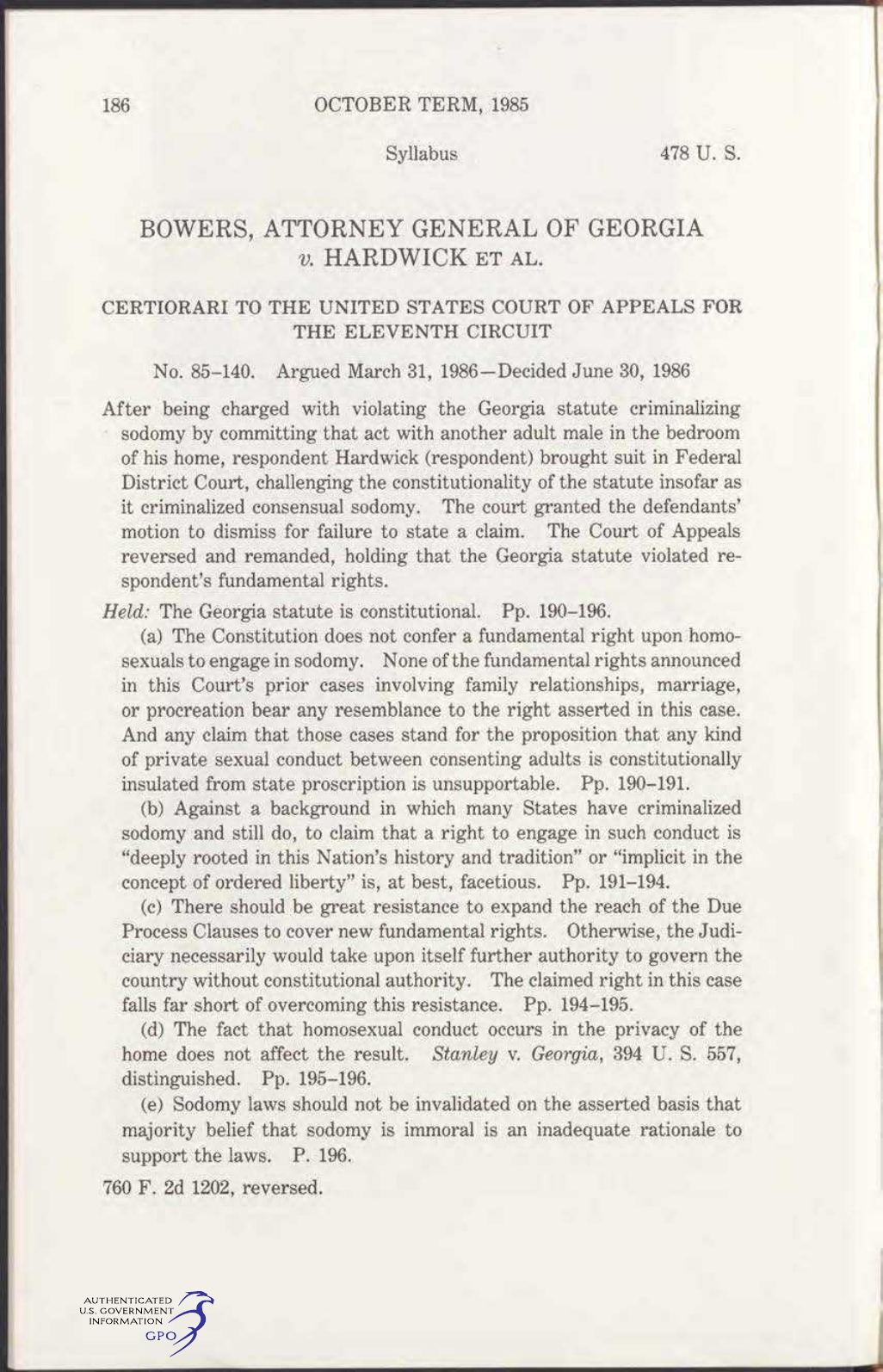
For gay men, reporting an assault also meant disclosing same-sex contact to the state. Consensual sex between men remained criminal in many jurisdictions. In 1986, the Supreme Court’s decision in Bowers v. Hardwick allowed Georgia to enforce its sodomy law against private conduct between adults. The Court reversed that constitutional position in Lawrence v. Texas in 2003. During the years between those decisions, a gay man could ask the police for protection while knowing that the law still treated part of his private life as a crime. (Bowers v. Hardwick; Lawrence v. Texas)
Reporting to police
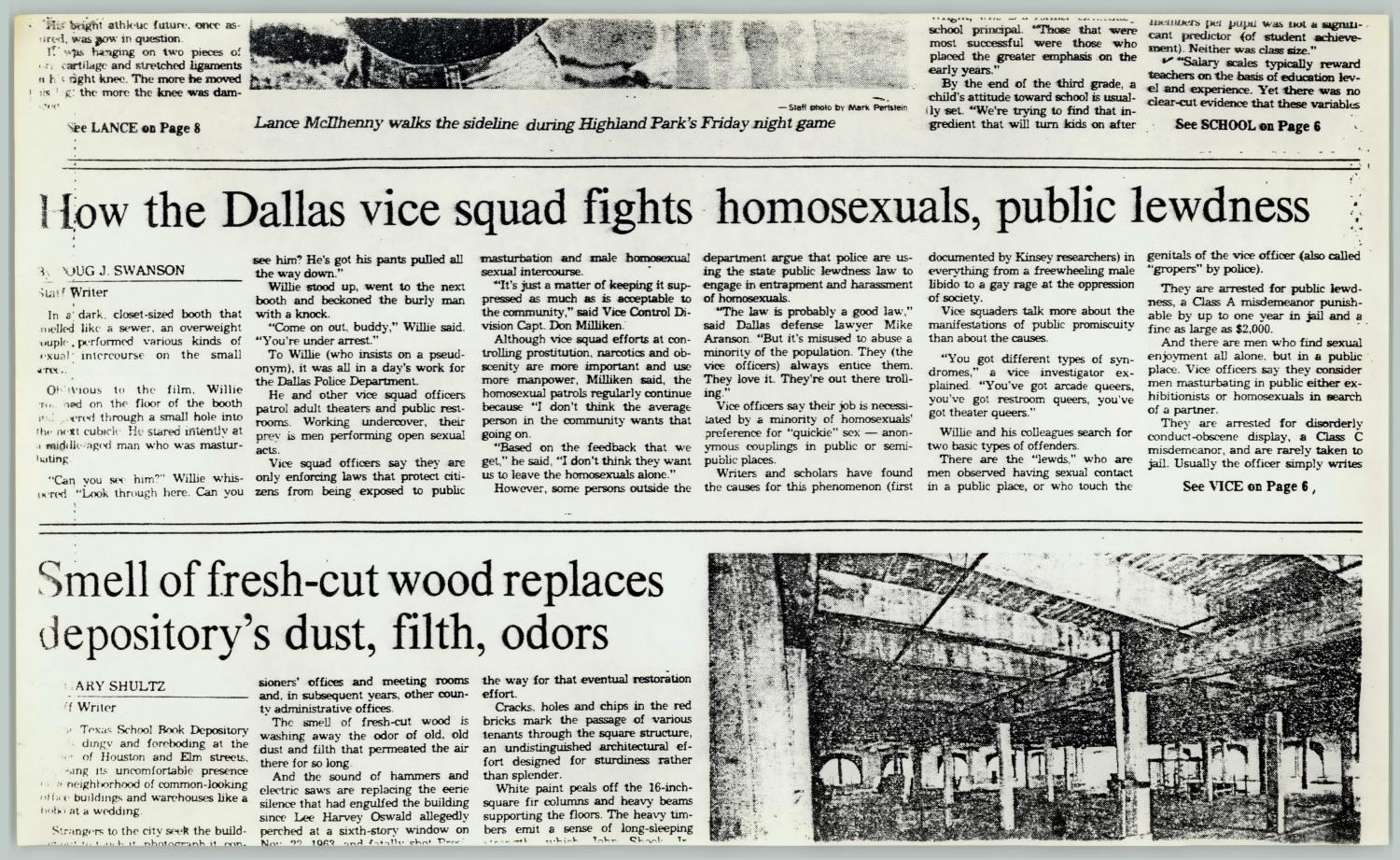
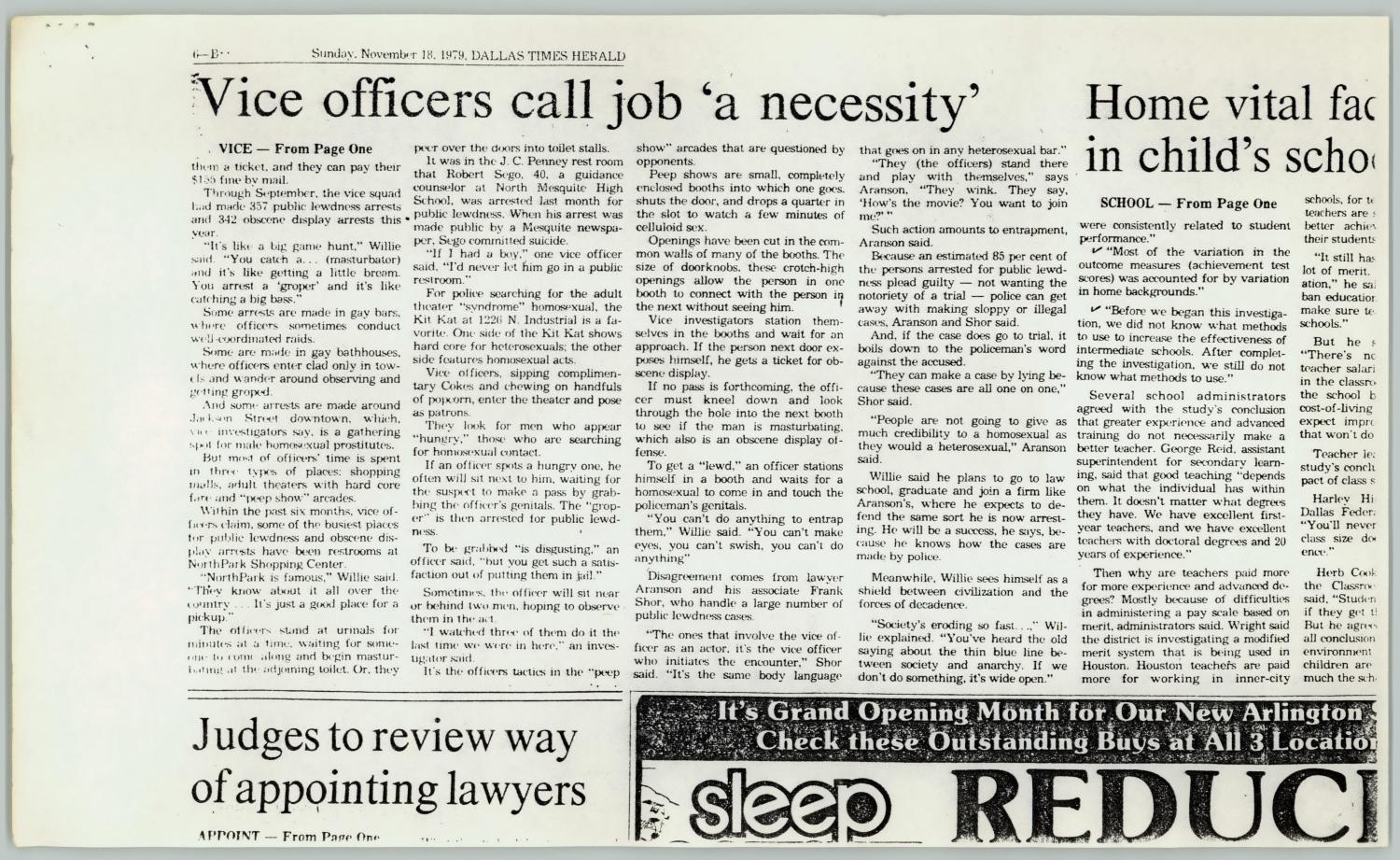
The risk attached to police contact was concrete. Vice officers watched bars and cruising areas. Undercover operations led to arrests under sodomy laws and other morals offenses. Records preserved by the University of North Texas show the Dallas vice squad using deceptive tactics against gay men in 1979. A man who reported an assault could reasonably wonder whether the interview would shift toward his own presence in a gay venue or public place. (University of North Texas Libraries)
An arrest or a newspaper item could jeopardize a man’s work and housing while exposing him to family rejection. The Julius’ Bar protest in New York in 1966 grew out of rules that could put a liquor license at risk if a bar served a person known to be homosexual. Police raids and licensing pressure continued after that protest. In that setting, disclosure could threaten a man’s home or employment even when he was seeking help as a victim. (National Park Service)
The AIDS epidemic increased the danger of being identified as gay. The first official reports in 1981 described rare illnesses among gay men, and public discussion quickly joined homosexuality with disease. Discrimination affected employment and housing. Some patients encountered hostility in health care. A man reporting rape could be judged through assumptions about his health and sexual conduct before an investigator examined force or consent. The CDC’s retrospective account of the epidemic records how strongly the earliest public understanding of AIDS was attached to gay men. (CDC, Emerging Infectious Diseases)
These pressures changed the meaning of a missing police report. Silence could reflect fear of exposure or arrest. It could also reflect an earlier encounter in which an officer treated the victim as a willing participant. The absence of a report from that period cannot be read as though every victim had access to a neutral and dependable reporting system.
What institutions saw
Homosexuality remained in the American Psychiatric Association’s diagnostic manual until 1973. A replacement diagnosis for people distressed by their homosexuality stayed in the manual until 1987. A gay survivor seeking medical or psychiatric help could therefore meet a professional trained when his sexual orientation was still treated as a disorder. Attention could move from the violence he described to an effort to explain or change his sexuality. (American Psychological Association)
Rape-crisis services had developed in response to the neglect of female survivors, and their early work often used language designed for women. Male survivors did not always recognize themselves in that language. Two clinical articles published in 1979 and 1980 were among the early attempts to describe male rape as a distinct subject. The authors wrote about fear and sexual confusion, along with the difficulty their patients had finding help. The limited case samples show how little organized knowledge was available to the people treating them. (Groth and Burgess, 1979; Sarrel and Masters, 1980)
Ideas about masculinity created another obstacle. Men were expected to be physically capable of stopping an assault and always receptive to sex. Freezing or submitting under threat could later be presented as consent even when it had been the safest available way to survive. Involuntary erection or ejaculation caused particular shame because victims feared that a physical response would be treated as evidence of desire. Clinical research distinguishes involuntary arousal from consent, but that distinction arrived slowly in public education and professional training. (Clinical review indexed by PubMed)
The same assumptions could affect heterosexual men. A man assaulted by another man might fear that reporting would cause people to question his sexuality. A gay victim could be told that the encounter was ordinary homosexual behavior. Both responses avoided the question the victim was trying to raise: whether he had agreed to what happened.
Boys in the record
Children living with abuse often came to official attention through conduct connected to what they were surviving. A boy who ran away could be treated as a delinquent. A child exchanging sex for shelter or food might be recorded as a prostitute rather than as someone being exploited by an adult. Police and newspaper accounts sometimes emphasized truancy or a minor offense while the abuse remained out of view. Federal victim-assistance guidance in the 1990s warned professionals that abused children could enter the justice system through behavior caused by victimization. (Office for Victims of Crime, 1996)
Once those labels entered a file, they affected the search for a missing child and the way later readers understood him. Calling a boy a runaway could make a short investigation appear adequate. Describing commercial sexual exploitation as juvenile prostitution shifted attention toward the child’s conduct and away from the adult creating the danger.
Families of boys murdered by Dean Corll in Houston encountered assumptions that their missing sons had run away. Corll and his accomplices abducted boys and young men in the early 1970s and murdered them after torture. When the bodies were found in 1973, the scale of the crimes exposed how badly some disappearances had been understood. Later reporting continued to identify victims decades after the murders. (Time, 1973; CBS News)
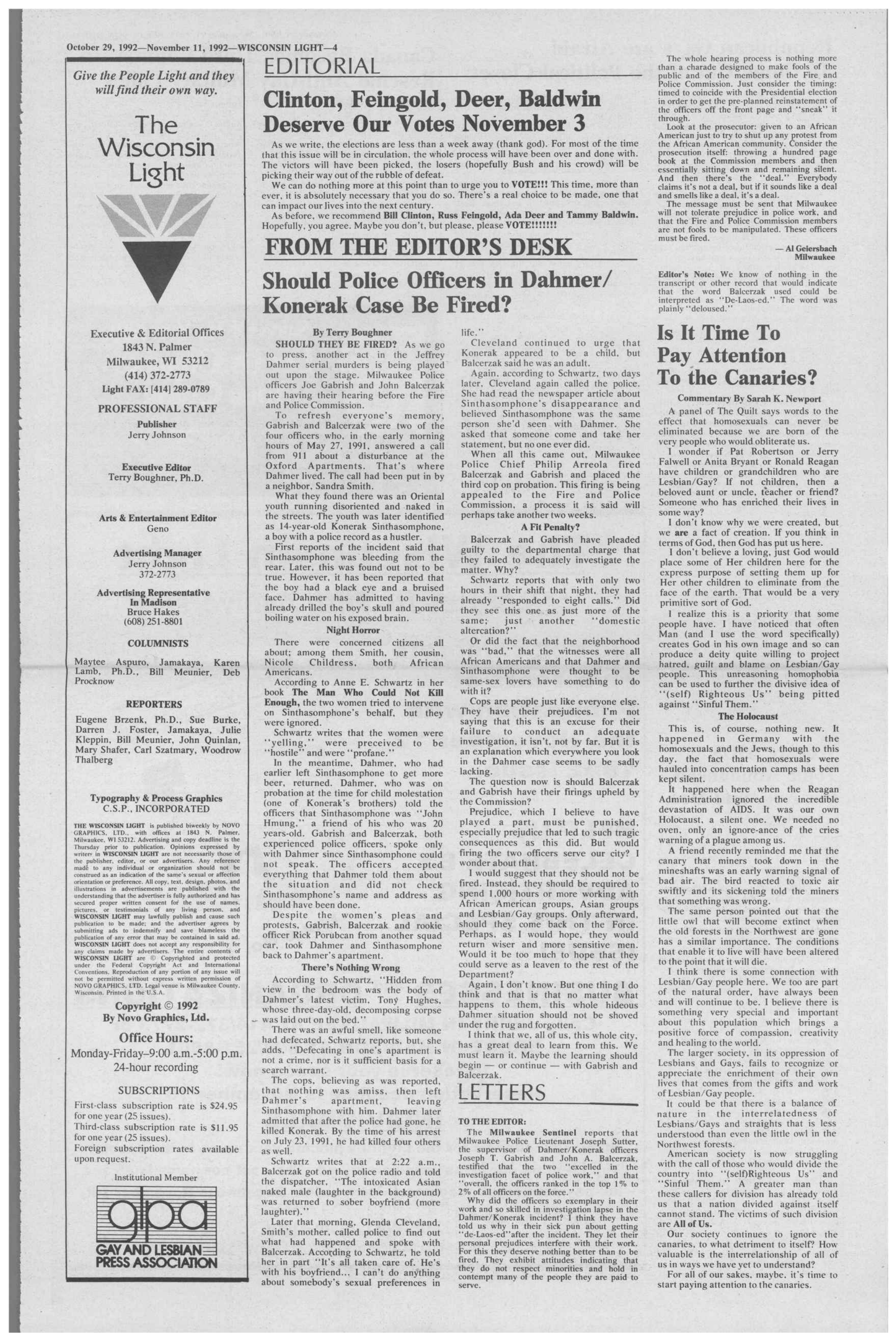
The Milwaukee officers who returned Konerak Sinthasomphone to Dahmer relied on several of these habits at once. They treated a child as an adult and read obvious incapacity through the idea of a dispute between homosexual partners. The Black women trying to protect him were threatened with arrest if they continued to interfere, according to the family’s civil complaint. Milwaukee’s Fire and Police Commission later upheld the firing of two officers involved in the encounter. Contemporary gay press examined how police attitudes toward gay people and racial minorities had shaped the response. (United Press International; Wisconsin Light, Oct. 29-Nov. 11, 1992)
Changes in law and services
Recognition grew unevenly. States revised sexual-assault laws while professional literature began addressing male victims. Survivor-led organizations also developed services that spoke directly to men. MaleSurvivor traces its beginnings to a 1995 conference and the organization formed afterward. The federal statistical definition of rape did not become gender neutral until nearly two decades later. (MaleSurvivor history; Congressional Research Service overview)
Legal reform gave police and courts better language, though it did not immediately remove older assumptions from practice. Services for male survivors remained uneven by location, and many programs still had to explain that physical arousal does not equal consent. Men who had spent years believing that rape was something that happened only to women were being asked to reinterpret experiences for which institutions had offered them little usable language.
By the early 2000s, a male victim was more likely to encounter a gender-neutral statute and a service provider familiar with male sexual trauma. That shift was substantial, but it followed decades in which reporting could expose a gay man to police scrutiny and public identification. For boys whose files called them runaways or delinquents, the official record could preserve the behavior produced by abuse more clearly than the abuse itself.